

How Energy-Efficient Curtains Enhance Passive House Design for Better Insulation
Boosting Insulation and Comfort with Eco-Friendly Window Solutions
Introduction
As energy costs rise and environmental concerns grow, passive house design is gaining popularity worldwide. This innovative approach to energy-efficient homes focuses on creating buildings that require minimal heating or cooling through superior insulation and airtight construction. At EZcurtain, we recognize the critical role that curtains, drapes, and other window treatments play in enhancing passive house insulation. This article explores how energy-efficient curtains can transform your living space, making passive house windows more effective while adding style and comfort to your home.

Understanding Passive House Technology
Passive house design originated in Germany and has become a global standard for sustainable building. These energy-efficient homes rely on passive house insulation to maintain stable indoor temperatures, reducing energy consumption by up to 90% compared to traditional buildings. The concept hinges on high-performance components, including passive house windows designed to minimize heat loss. Curtains and drapes serve as an additional layer, boosting this insulation by trapping heat in winter and blocking it in summer, a key aspect of achieving a truly sustainable building environment.
The Role of Curtains in Passive House Design
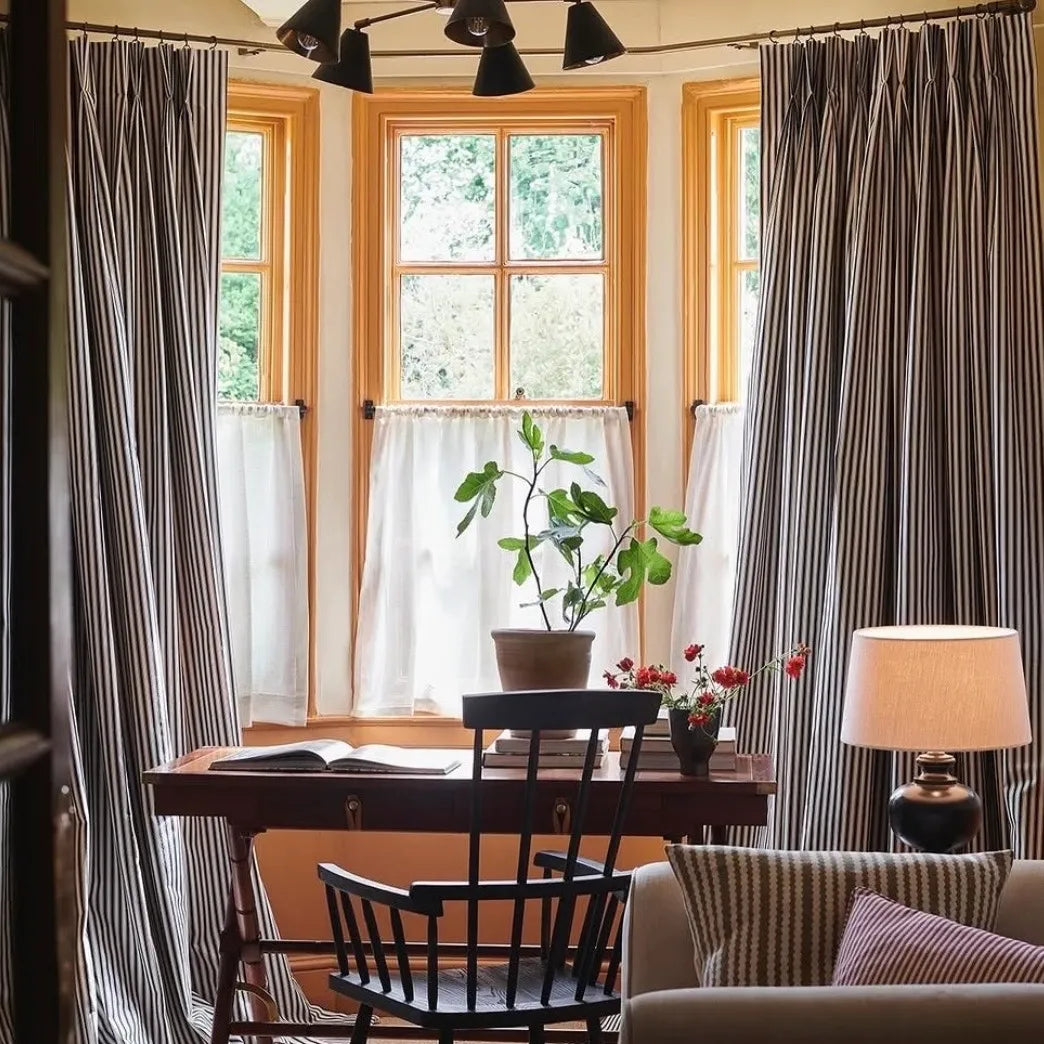
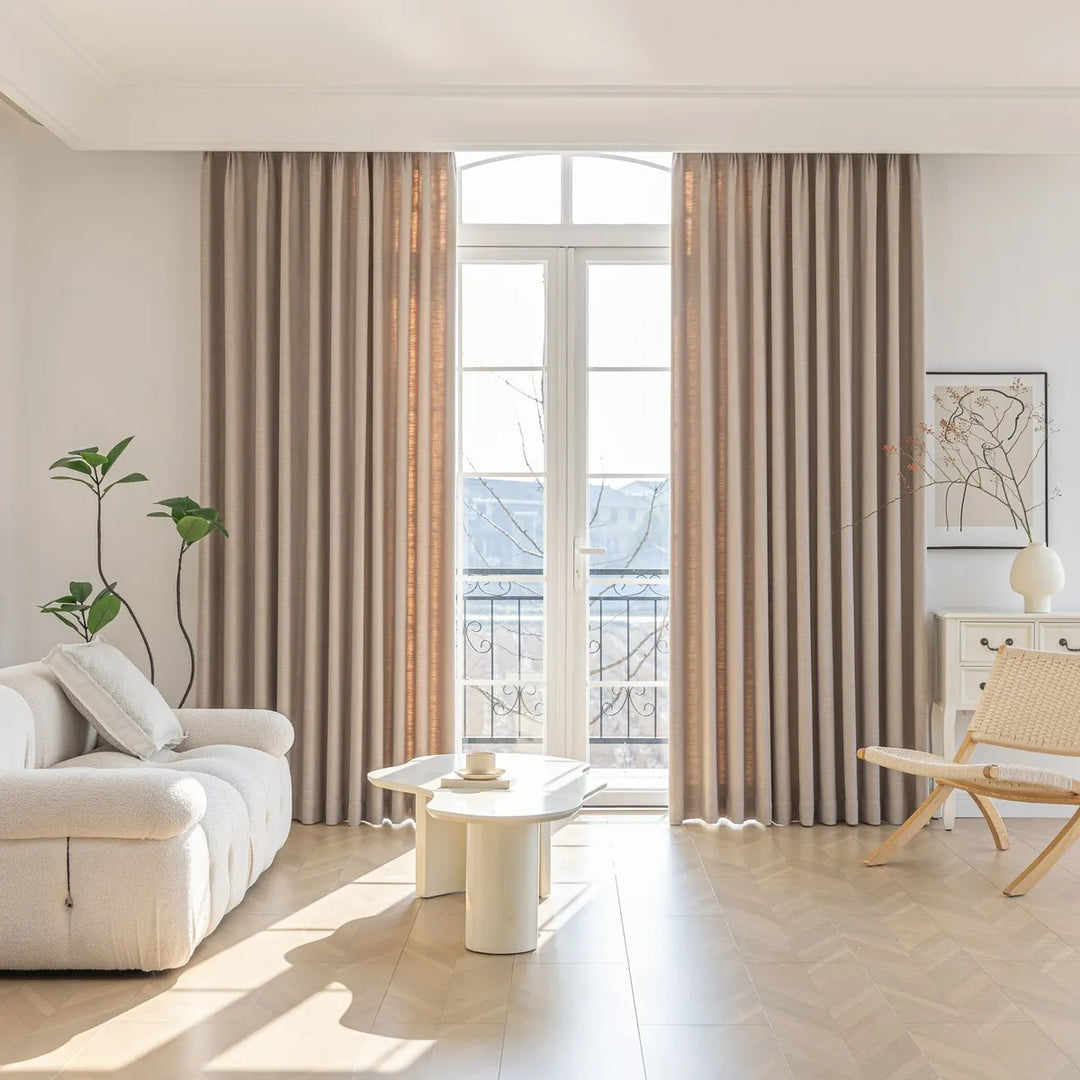
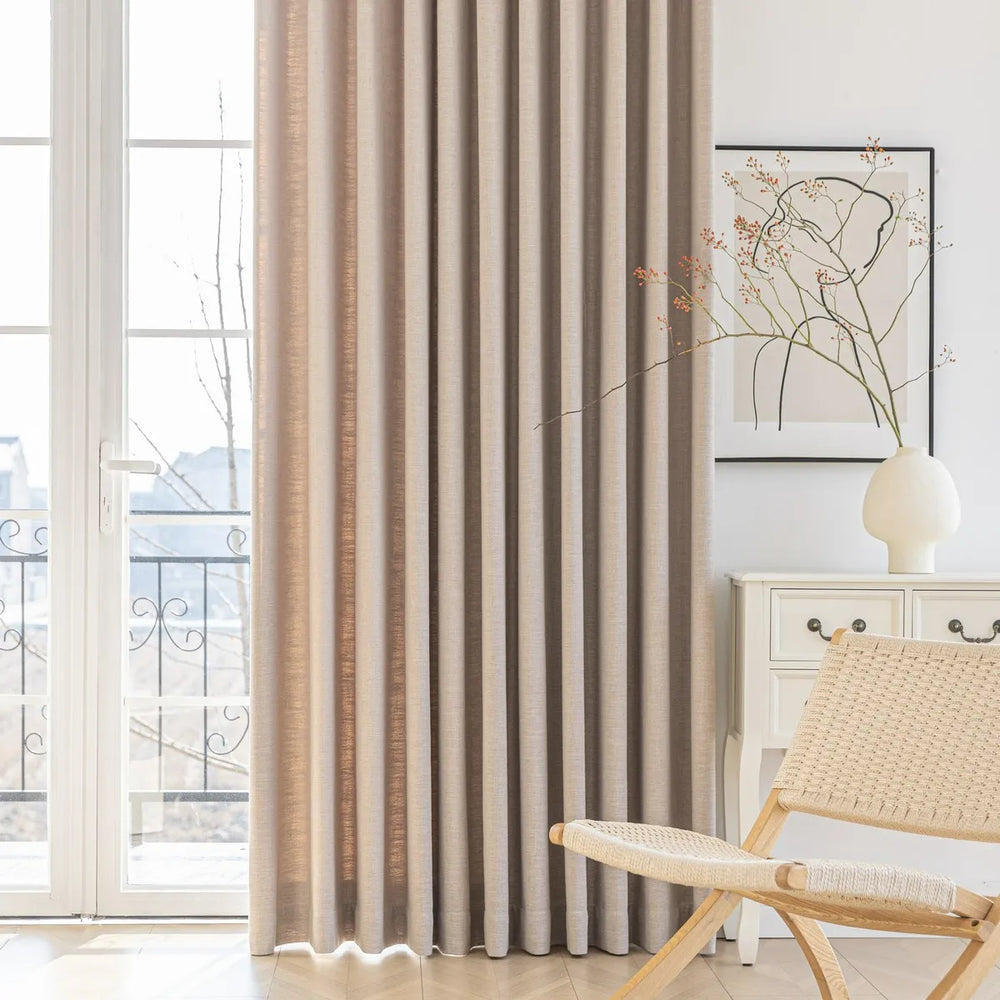
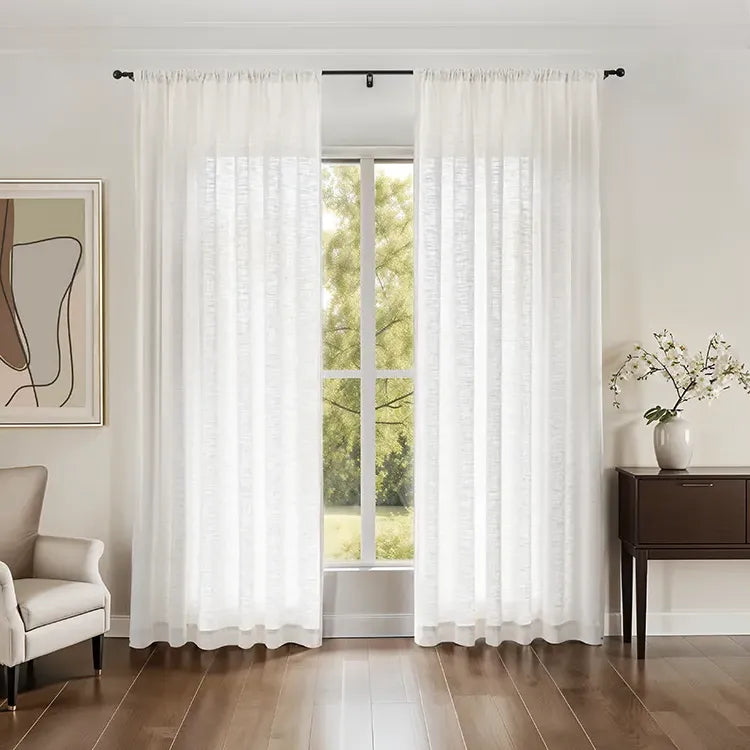
Energy-efficient curtains are a game-changer for passive house design. Heavy drapes, for instance, provide an extra barrier against heat loss, making them ideal for maintaining the thermal efficiency required in these homes. Living room curtains with thermal linings not only enhance the aesthetic appeal of your space but also contribute to passive house insulation by reducing drafts. Similarly, bedroom curtains with blackout features regulate temperature, ensuring a comfortable sleep environment while supporting energy-efficient homes. These window treatments are essential for optimizing the performance of passive house windows, offering a practical solution for sustainable building enthusiasts.
Exploring Window Treatments for Passive Houses
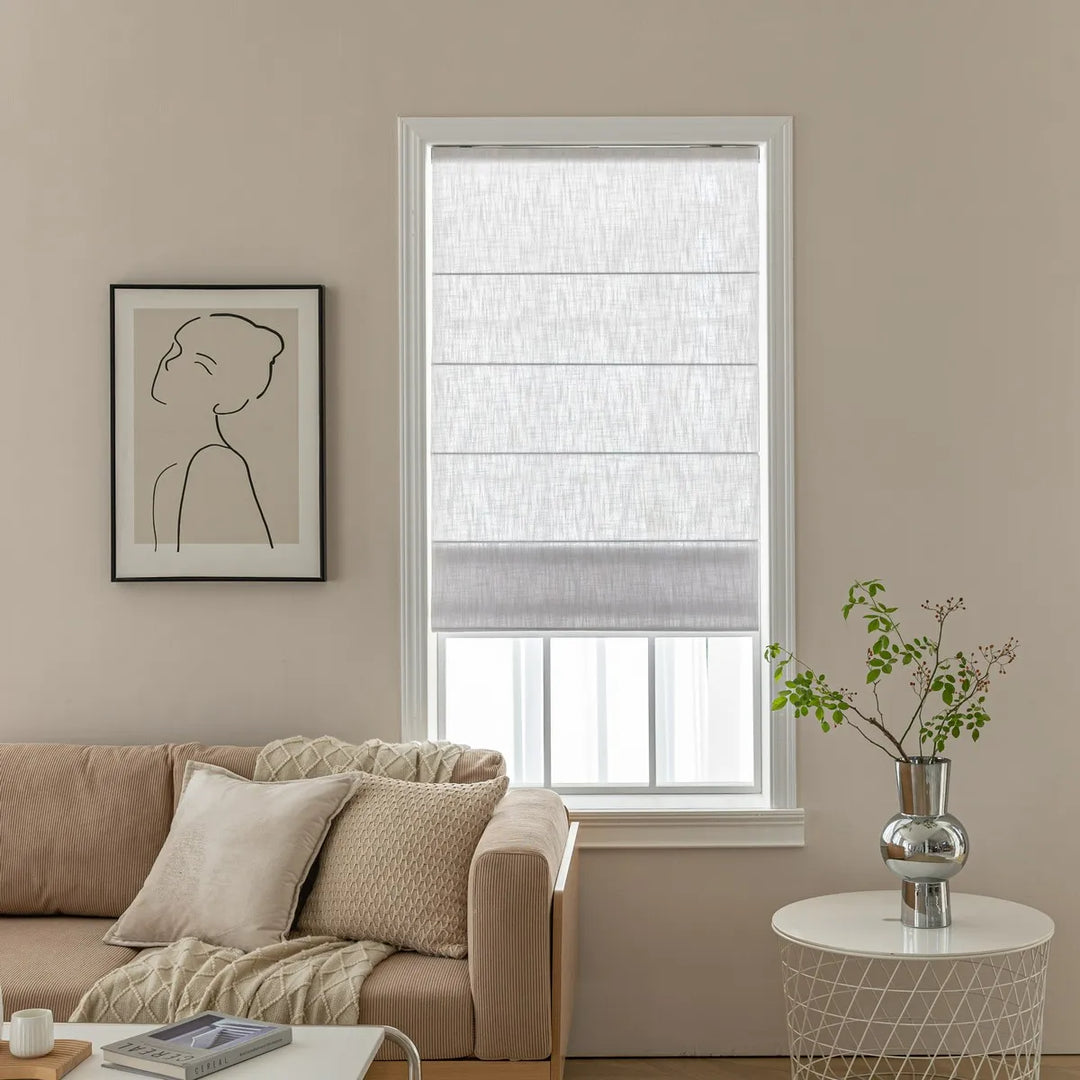
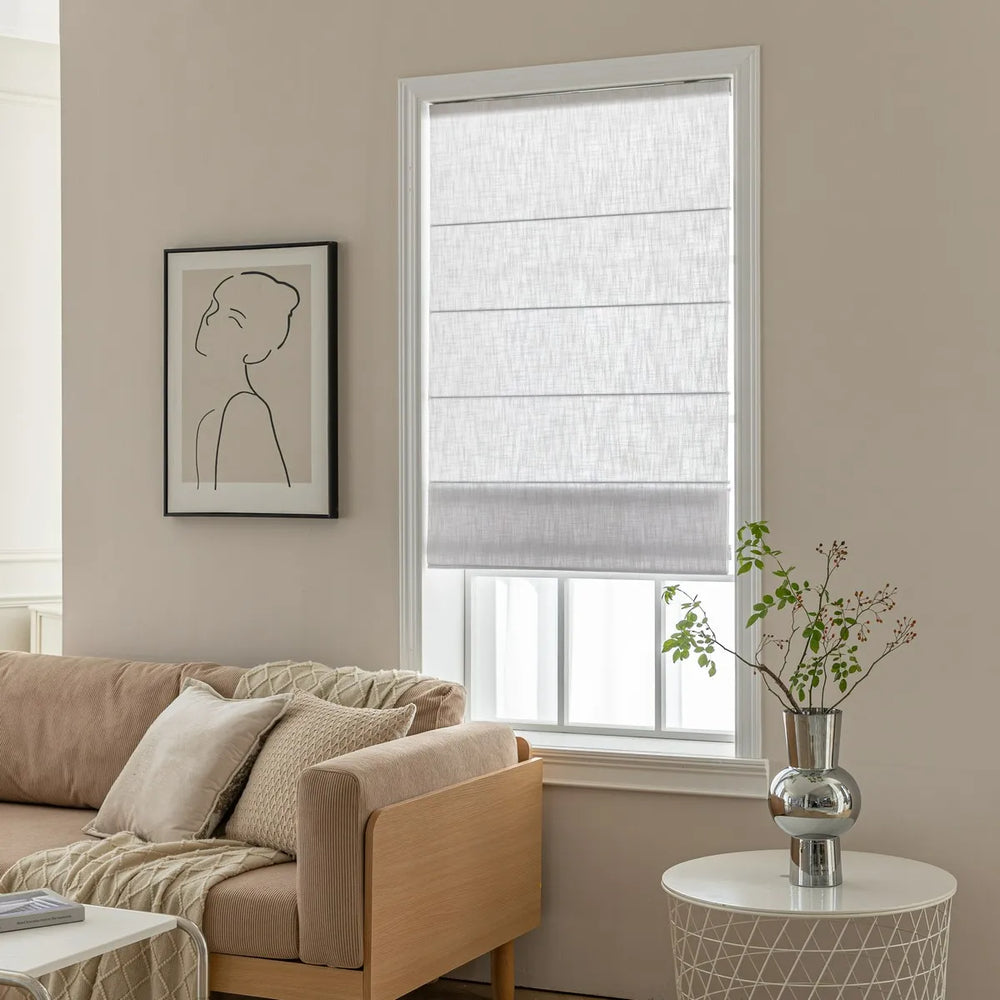
Beyond curtains, other window treatments like roman shades and shades play a significant role in passive house design. Roman shades, with their layered fabric design, offer excellent insulation properties, making them a stylish addition to passive house windows. Shades, whether cellular or pleated, provide versatility, allowing you to control light and heat effectively, which is crucial for energy-efficient homes. At EZcurtain, our window treatment options are crafted to complement the airtight standards of passive house insulation, ensuring both functionality and elegance in your living or bedroom spaces.
Practical Tips for Integrating Curtains into Passive House Builds
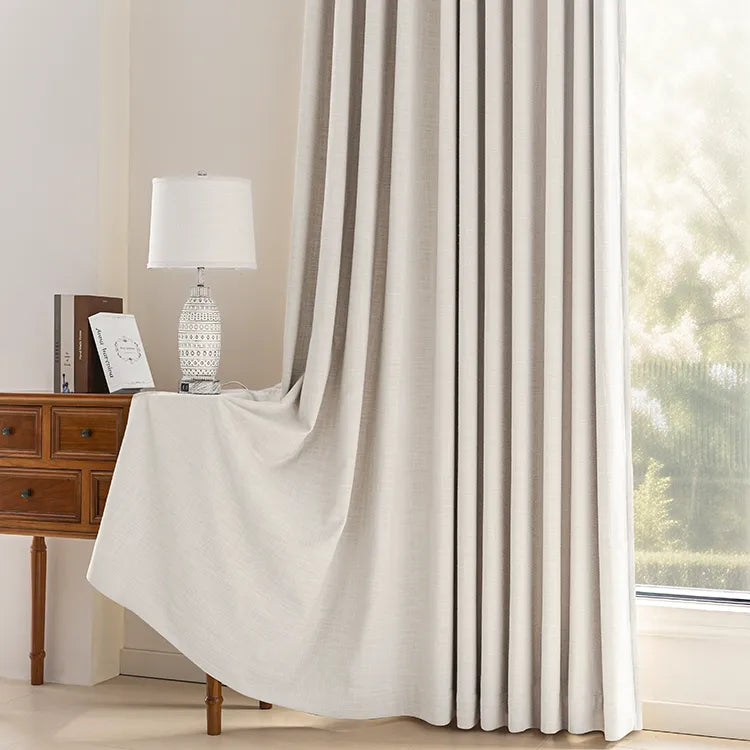
To maximize the benefits of curtains in passive house design, precise measurement is key. Ensure your curtains or drapes cover the entire window area, including passive house windows, to eliminate gaps that could compromise insulation. Opt for thick fabrics or thermal linings available at EZcurtain, which enhance passive house insulation by adding an extra layer of protection. Proper installation is equally important—secure the window treatment tightly to seal against frames, a technique vital for sustainable building efficiency. For living room curtains or bedroom curtains, consider double-layered designs to further boost energy-efficient homes.
Case Studies and Benefits
Real-world examples highlight the impact of curtains on passive house design. In a recent sustainable building project in Australia, installing heavy drapes reduced energy bills by 20% by improving passive house insulation. Homeowners reported enhanced comfort in their living rooms, thanks to well-fitted window treatments like roman shades, which balanced light and temperature. Bedroom curtains with thermal properties also minimized heating costs, proving their value in energy-efficient homes. These success stories underscore how EZcurtain’s products can elevate passive house windows’ performance while maintaining a luxurious look.
Choosing the Right Materials and Styles
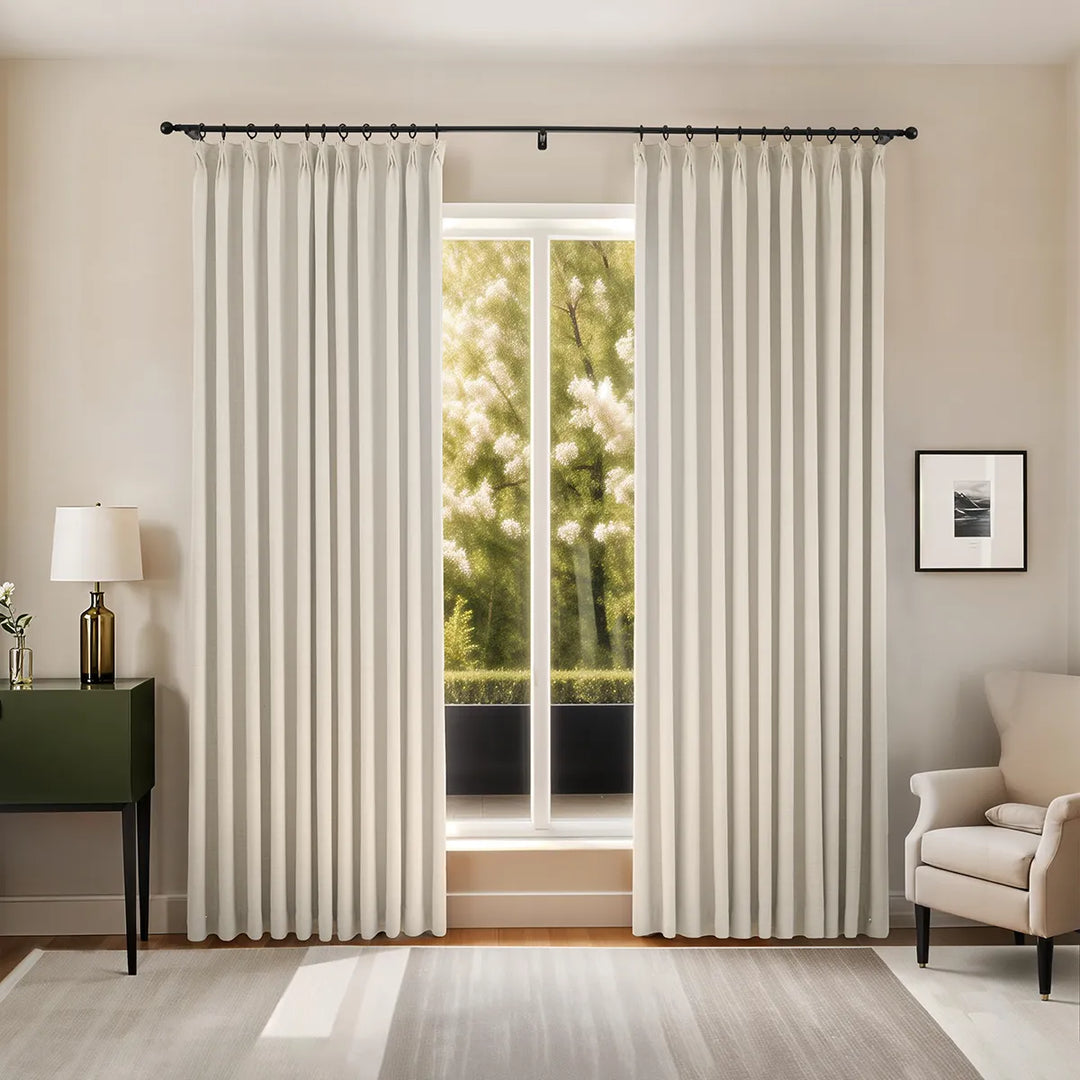
Selecting the right materials is crucial for passive house design. Opt for dense fabrics like velvet or lined cotton for drapes and curtains, which enhance passive house insulation by trapping air. Living room curtains can feature modern styles like pinch pleats, while bedroom curtains might include blackout linings for optimal energy efficiency. Roman shades and shades offer additional flexibility, with options like double-cell shades providing superior insulation for passive house windows. At EZcurtain, our window treatment collection is designed to meet the rigorous standards of sustainable building, ensuring both performance and style.

Long-Term Savings and Environmental Impact
Investing in energy-efficient curtains for passive house design yields long-term savings. By reducing reliance on heating and cooling systems, these window treatments lower utility costs, a key benefit of energy-efficient homes. The environmental impact is equally significant—passive house insulation, supported by curtains and shades, cuts carbon footprints, aligning with sustainable building goals. EZcurtain’s commitment to quality ensures that your living room curtains, bedroom curtains, and other window treatments contribute to a greener future while enhancing your home’s value.
Conclusion
Energy-efficient curtains, drapes, and window treatments are indispensable for passive house design, offering better insulation and substantial energy savings. From living room curtains to bedroom curtains, and from roman shades to shades, EZcurtain provides solutions that enhance passive house windows and support sustainable building practices. By integrating these elements with proper installation and material choices, you can create an energy-efficient home that’s both comfortable and eco-friendly. Explore our collection today and discover how our window treatments can transform your passive house design.
Leave a comment